HEINZ FRANK
News | Heinz Frank | Exhibitions | Apartment | Publications | Contact |




NEWS
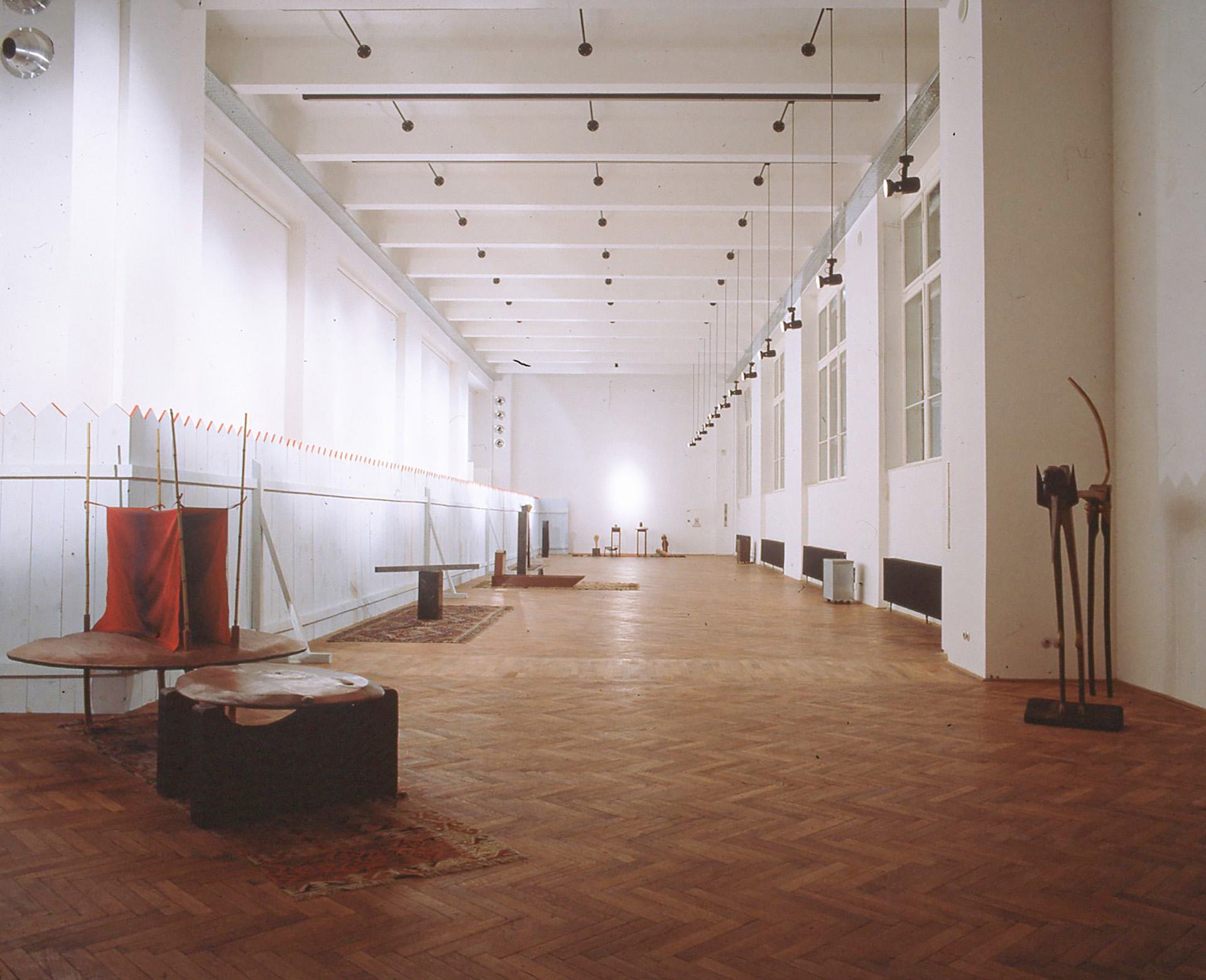
Exhibition, TURNING PAGES, Artists’ Books of the Present, MAK, Vienna, 01.10.2025—22.03.2026
Screening, Gewesen sein wird, Filmcasino, Vienna, December 14th, 13:00
HEINZ FRANK
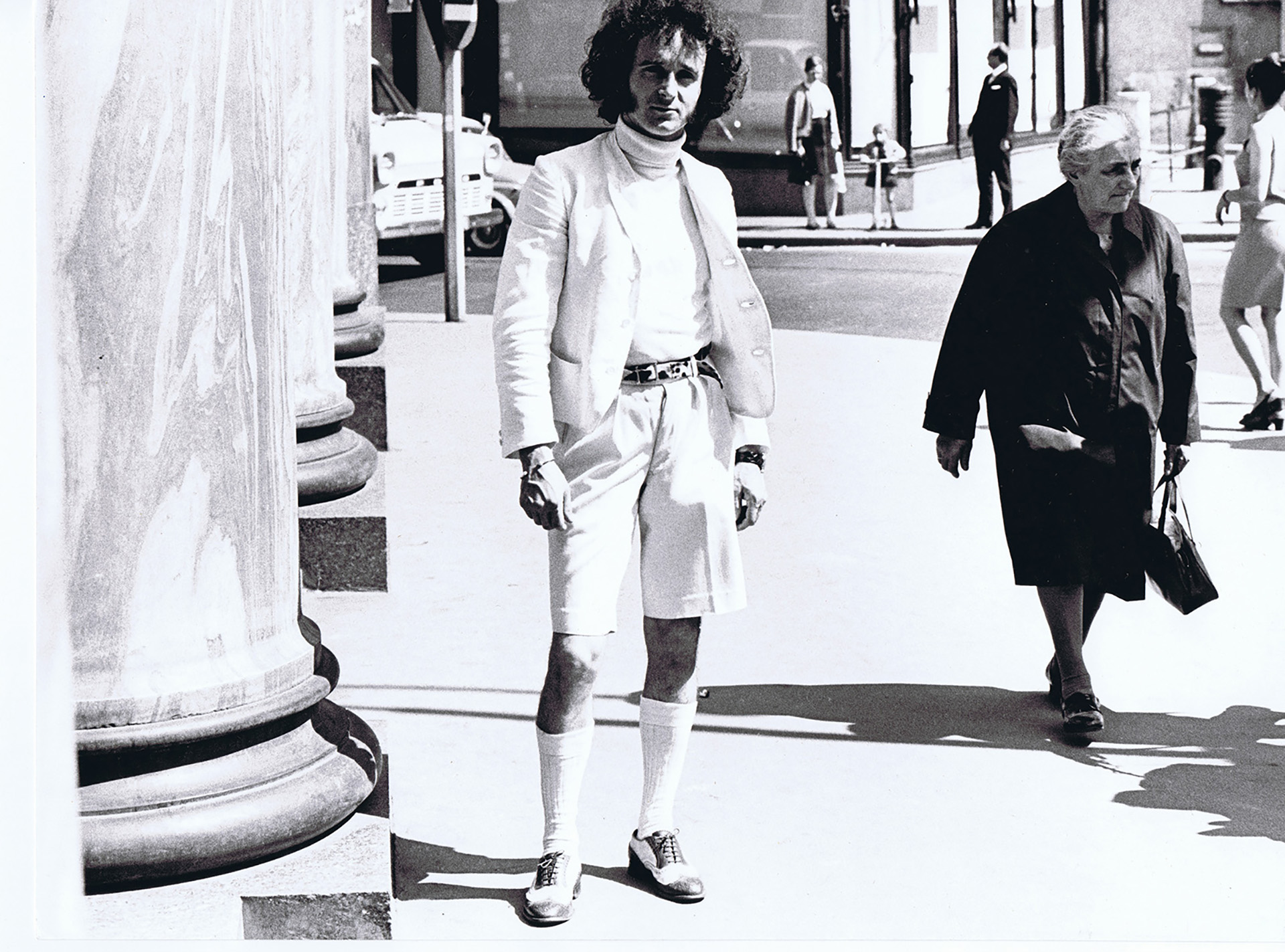
Heinz Frank (1939-2020) studied architecture at the Academy of Fine Arts in Vienna and has been working as an artist since the 1960s.
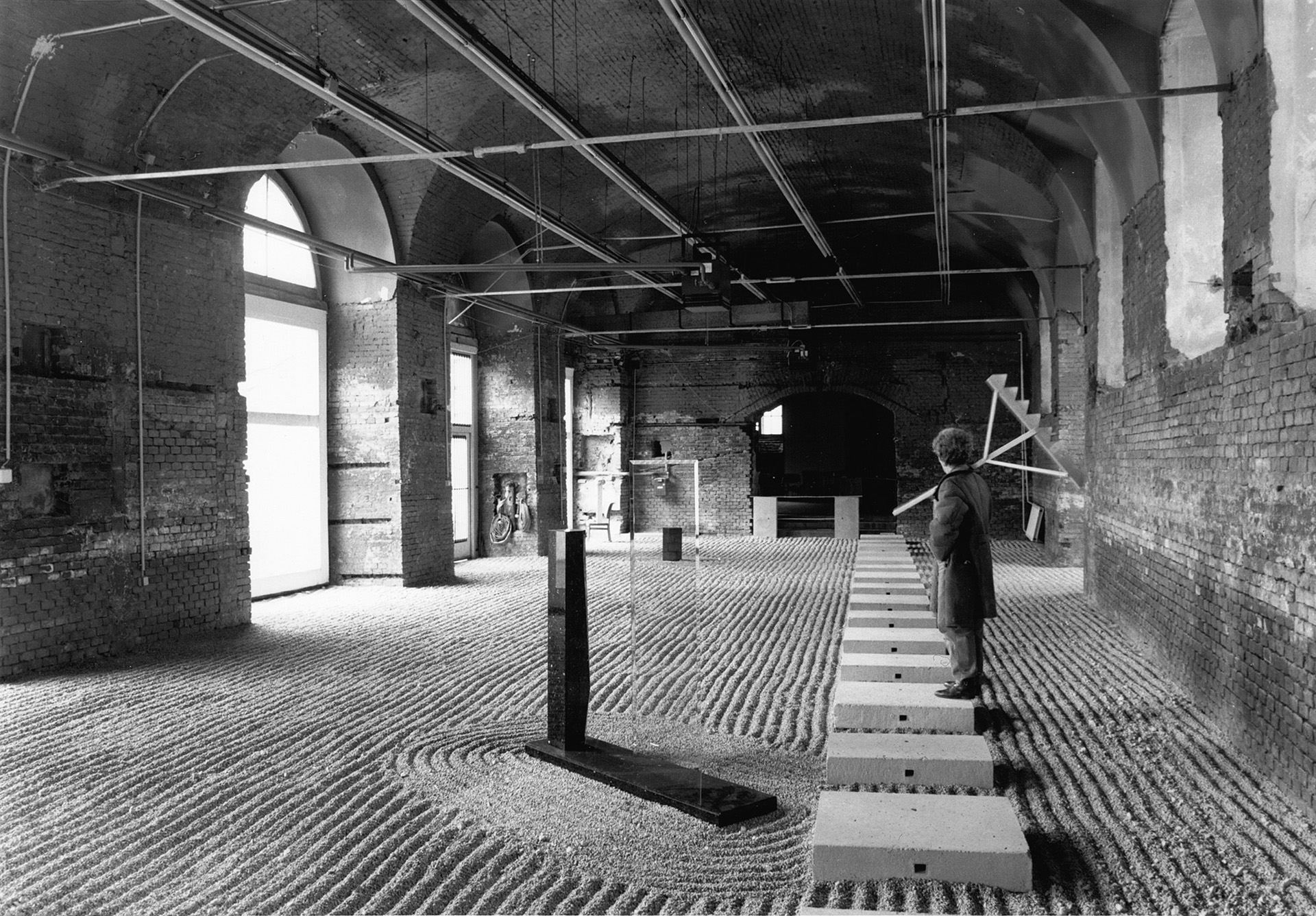
Frank recently had solo-exhibitions at Badischer Kunstverein, Karlsruhe (2019); Kunsthalle Wien, Vienna (2019) and Bureau des Réalités, Brussels (2018). His works have been included in numerous group-exhibitions, most recently at mumok, Vienna (2022); MAK – Museum of Applied Arts, Vienna (2021); Riga Biennale, Riga (2020); Museum der Moderne, Salzburg (2019); Centre Pompidou, Paris (2019); Tanya Leighton, Berlin (2019) and Landesgalerie Linz (2018).
His works are part of several public collections, including mumok – museum of modern art Vienna; MAK – Museum of Applied Arts, Vienna; Rupertinum, Salzburg and the Centre Pompidou, Paris, among others.
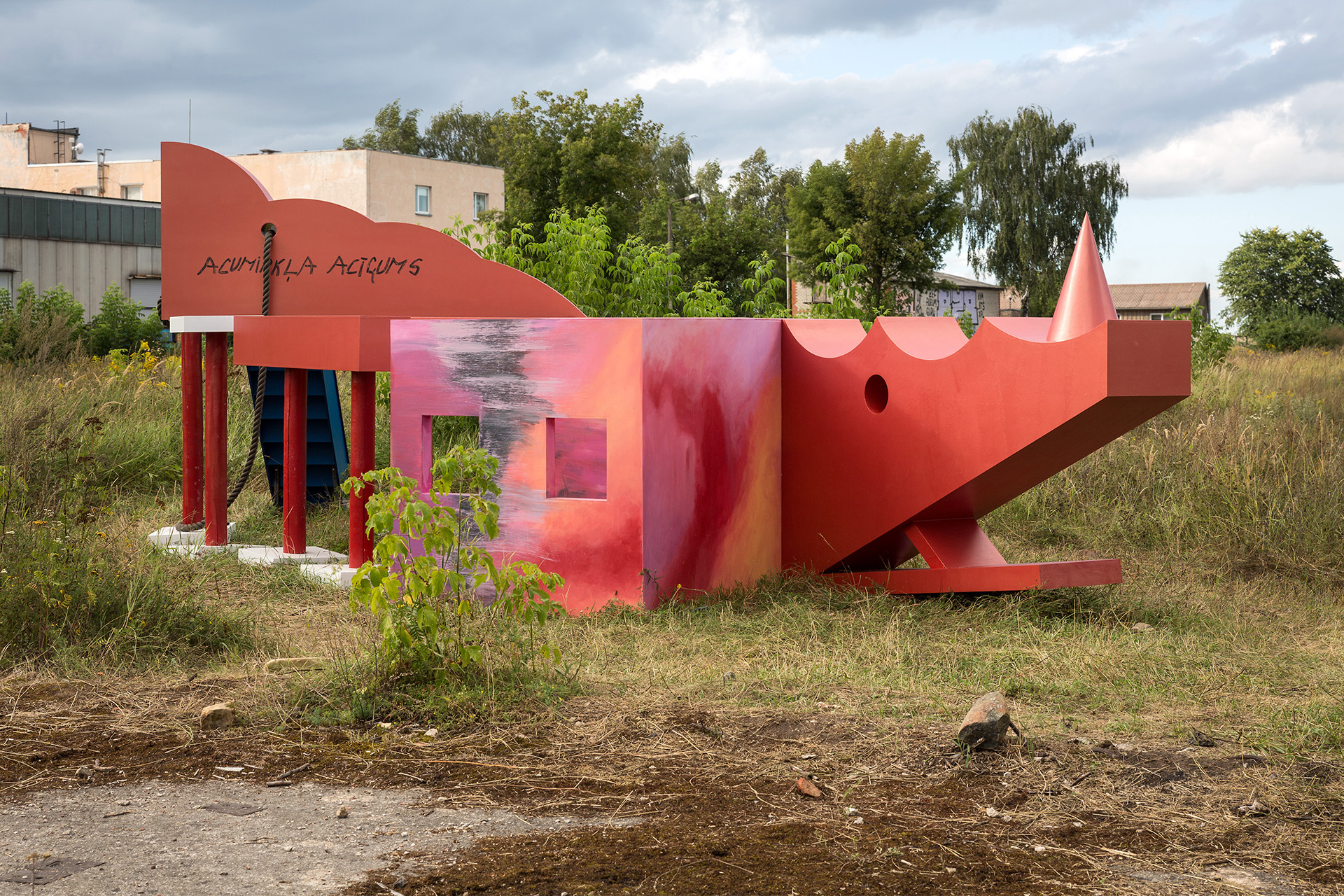
The last sculpture that has been realised during Frank’s lifetime was part of the 2nd Riga International Biennial of Contemporary Art, RIBOCA2, curated by Rebecca Lamarche-Vadel in 2020.
Biography
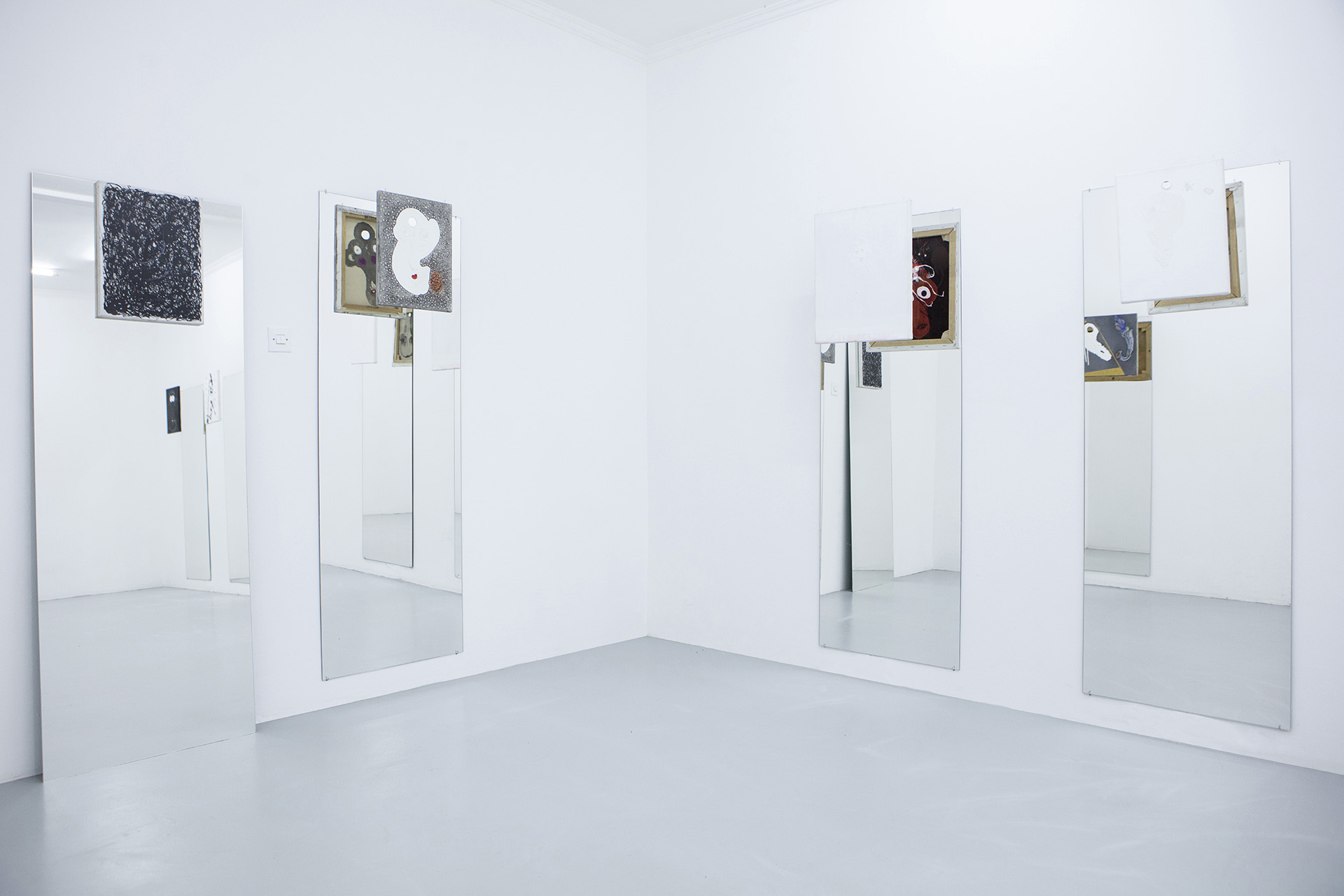
Heinz Frank’s works —referred to by the artist as “things”—occupy an in-between space, transcending genres, techniques, and materials. They seamlessly blend the fine and applied arts, the rational and the intuitive, and their openness defies traditional categorization. Frank worked in wood, bronze, stone, marble, and aluminium. He drew and painted abstractly and figuratively, created furniture-like sculptures and surreal objects. His works were constantly shifting in form, being recreated or recombined. Fluidity was their signature. They aimed for the finality of the form that Frank considered characteristic of traditional artwork, only to neglect it in the end.
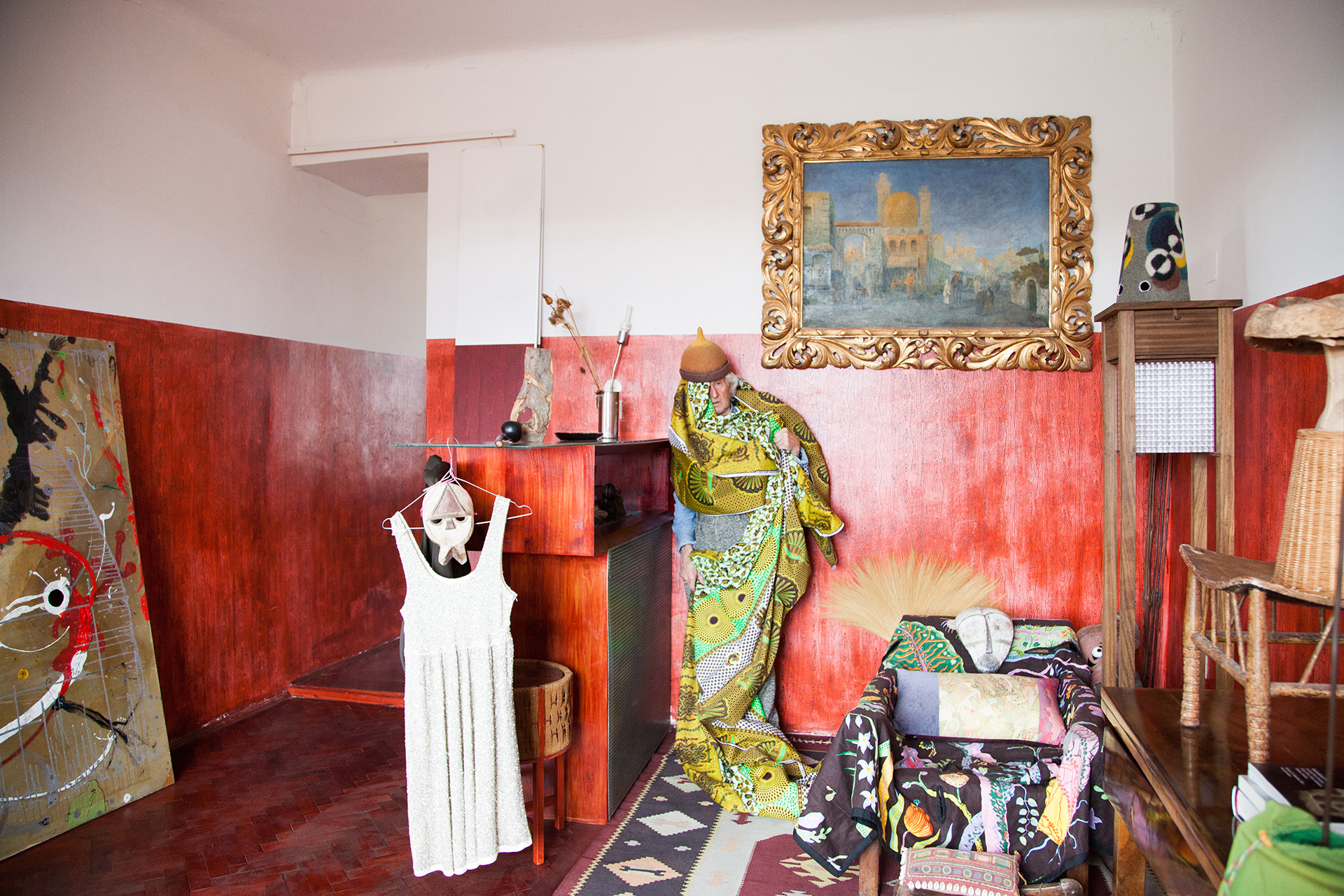
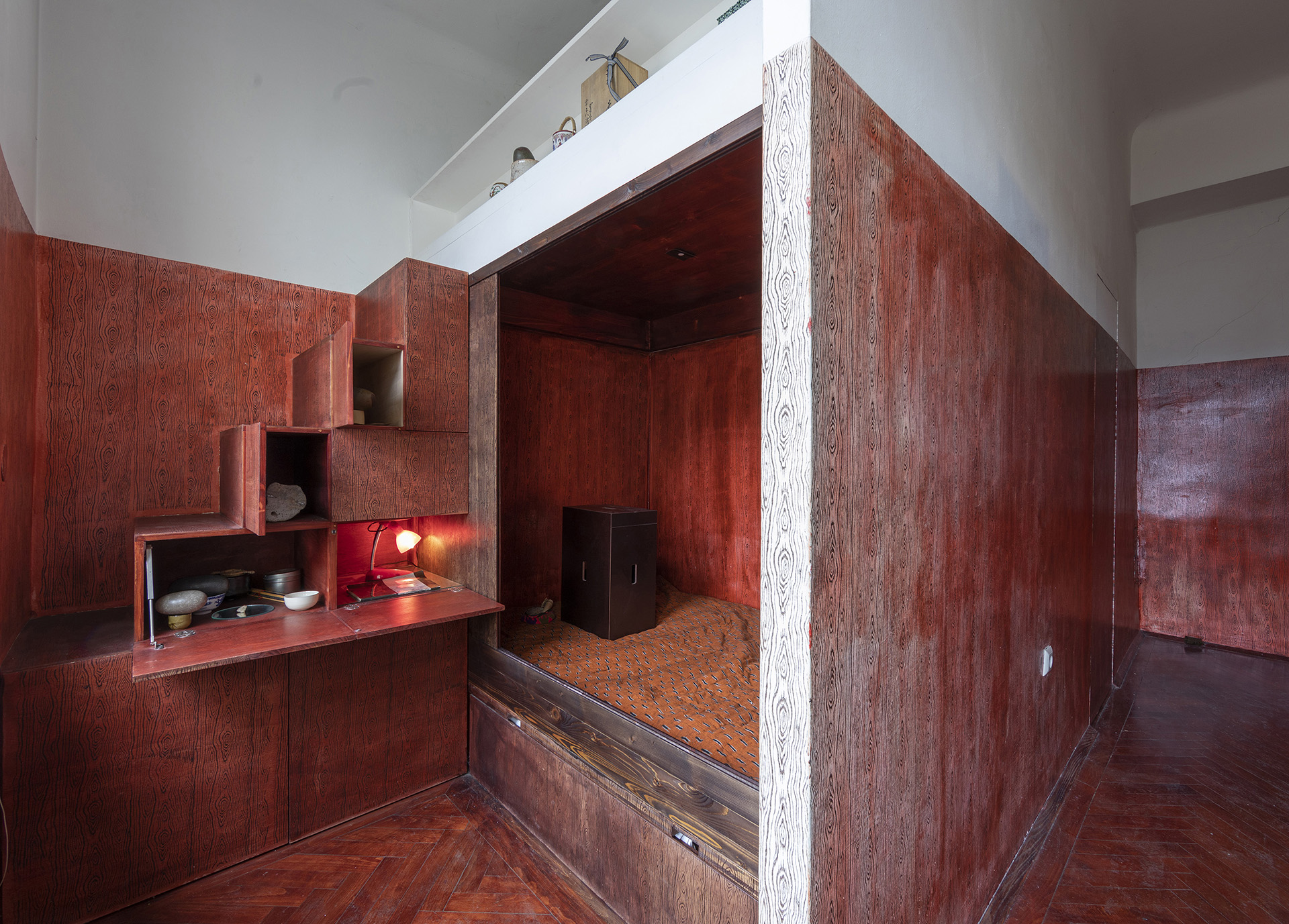
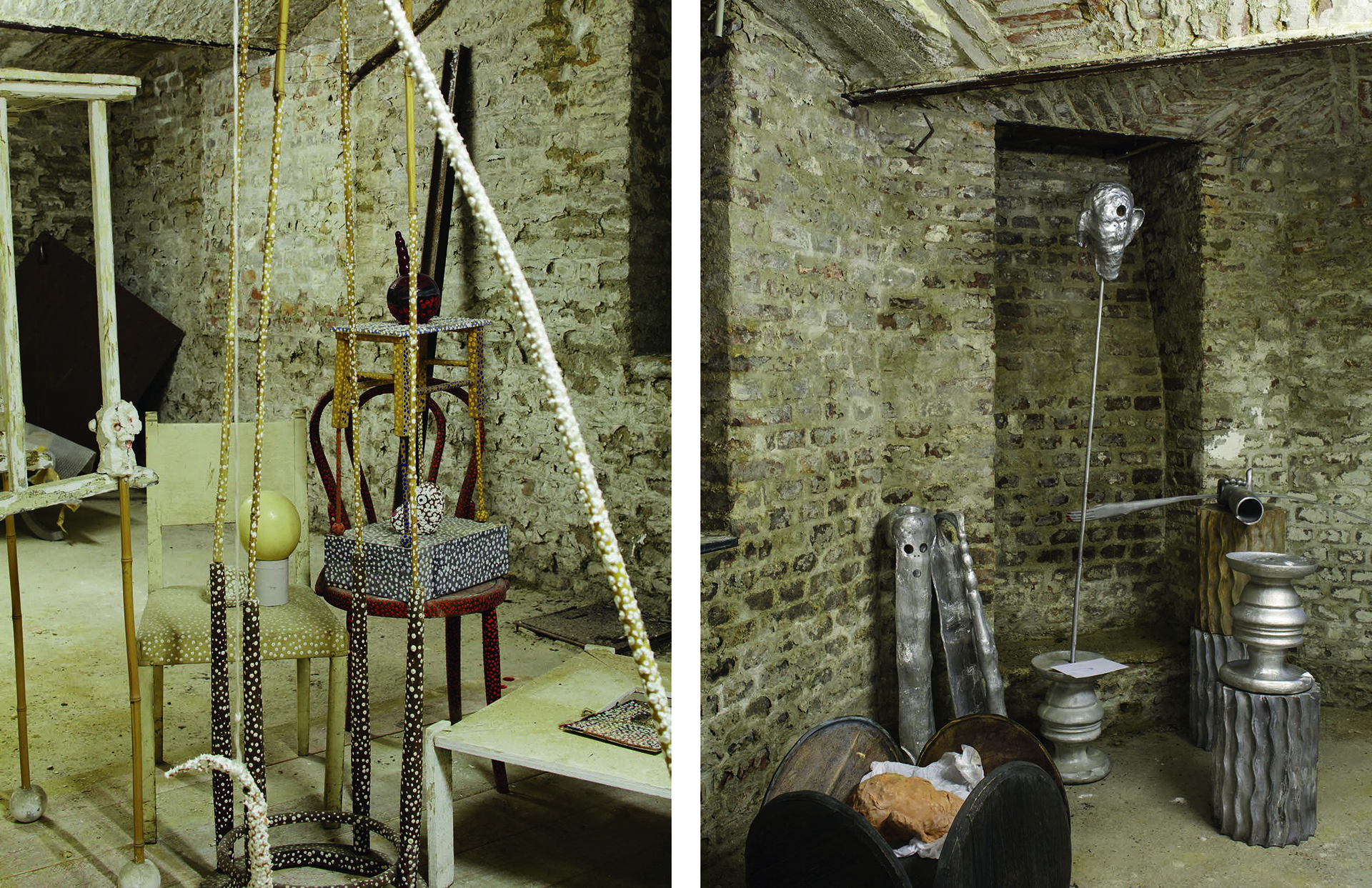
Frank’s former apartment in Vienna served as a Gesamtkunstwerk—a composition of furniture, found objects and artworks tailored to his own needs—that is paradigmatic of his work. Architectural conversions (Frank was trained as an architect) coexist with drawings, paintings, and sculptural objects, transforming the rooms into a resonant space for his artistic explorations of the self and its surroundings. The walls are adorned with a reddish-brown, veined finish that extends to a height of 1.65 meters—the height of the artist himself, serving as a measure for his artistic production.
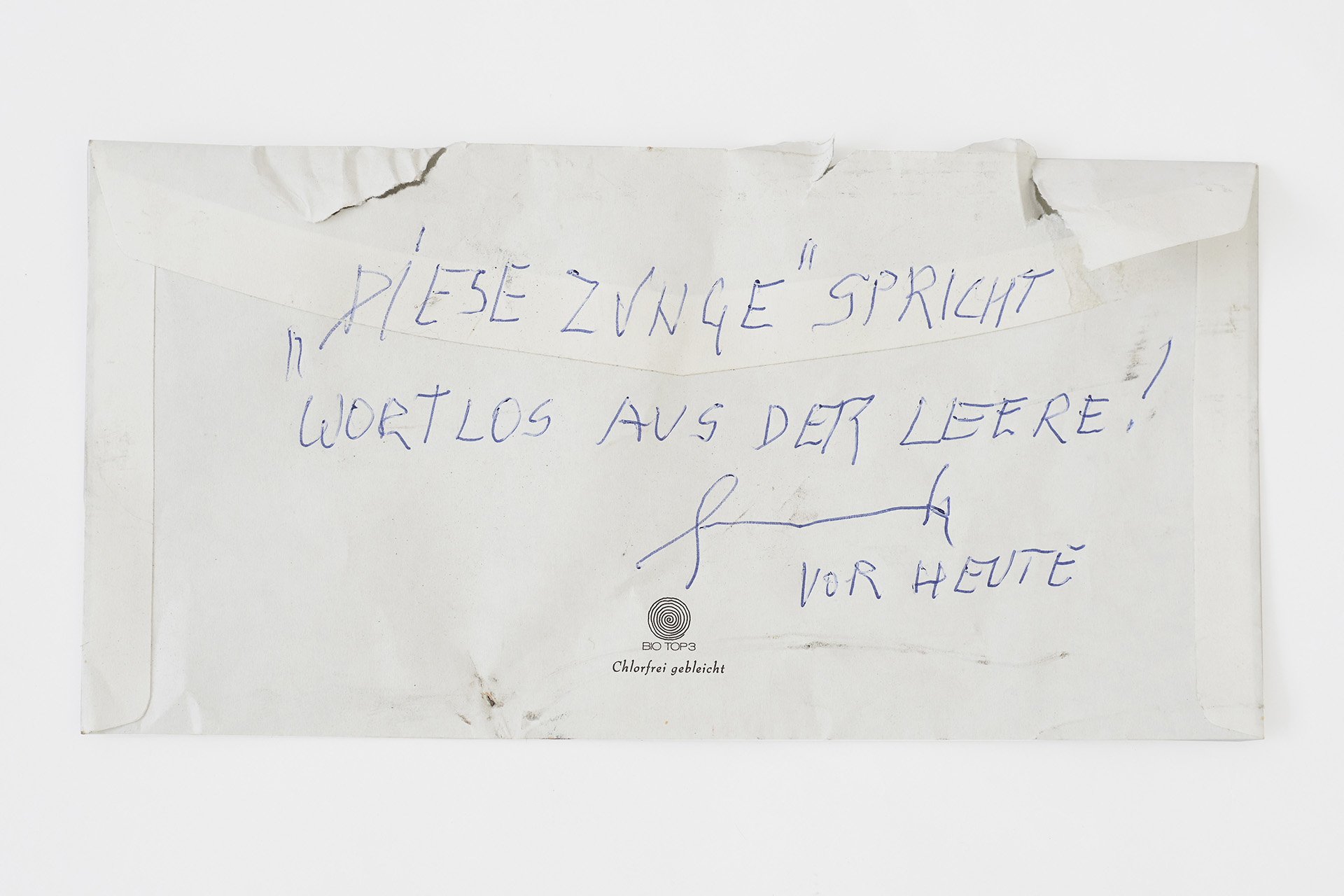
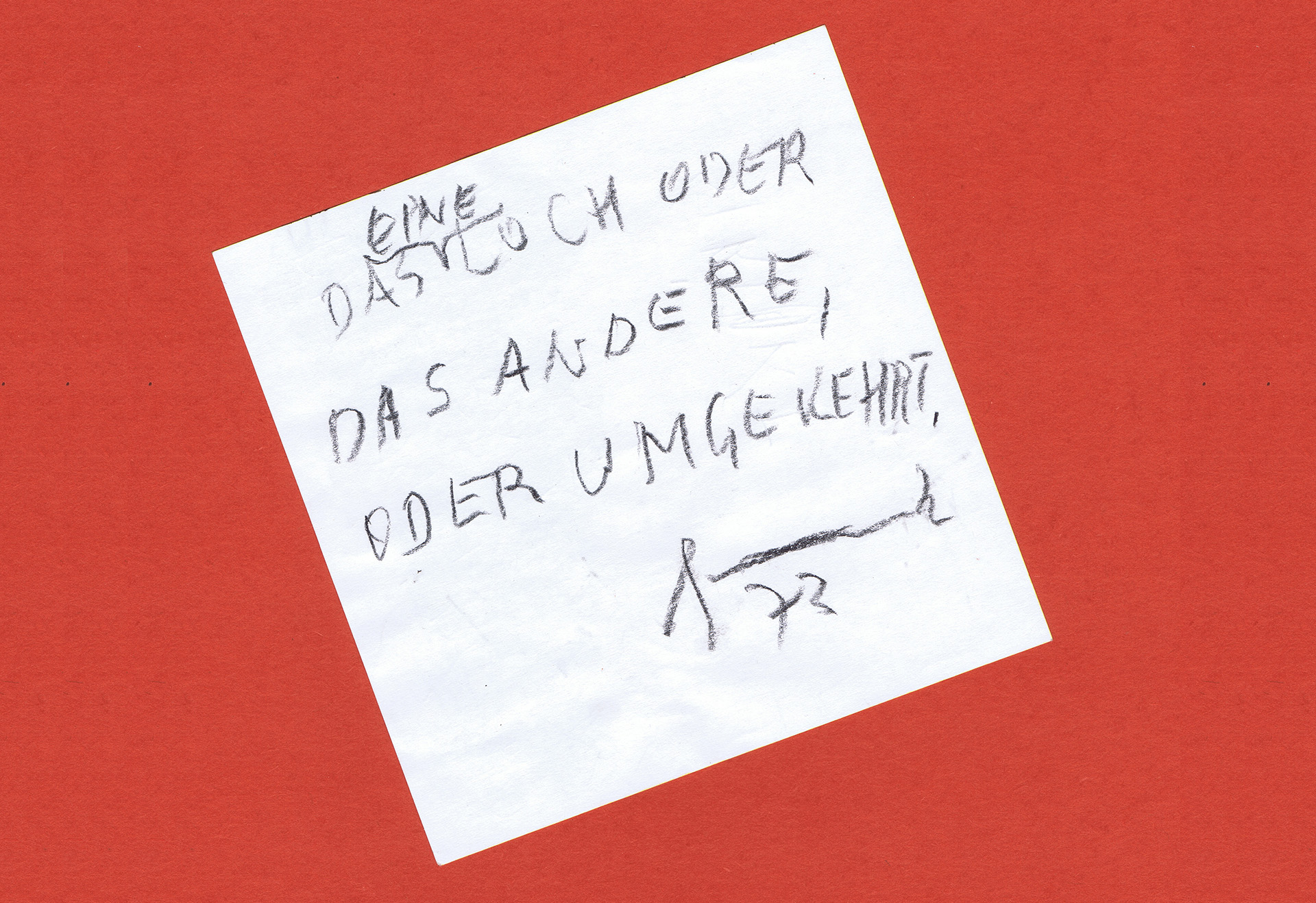
The interweaving of material and language is essential to Frank’s work. For him, the genesis of a work began with a short text, written in pencil– a thought or a poetic formulation–, later transformed into a sculptural form through the gradual abstraction of the initial idea. He believed this process also characterized the essence of art: as the distance between the thought and its concrete materialization grew, the idea became a work, and the thought became tangible. Since thoughts are always in a state of flux, open to change and displacement, Frank’s works only took on their final form after his death. Many of his pieces are undated or, as markers of a specific point in time, are accompanied by indications such as “before today” or “always”.
Within his poetic-subjectivist cosmos, everything Frank created became a fragment of an indirect self-portrait. His works served as a reflection of himself and his environment, forming an integral part of an all-encompassing artistic microcosm. Humorous yet existentialist, these pieces employ of a private iconography and recurring motifs such as the hole, symbolizing emptiness and total absence, which must be marked by a circle to become visible. Circles and holes are ubiquitous in Frank’s works, becoming metaphors for a lifelong exploratory search for the self. Allusive work titles further enrich this compelling personal universe. Ultimately, all of Frank’s work is a pars pro toto of his larger, imaginary exploration of contemporary subjectivity and its relationship to the world.
Yet his oeuvre is not solipsistic. Frank, who studied architecture at the Academy of Fine Arts in Vienna from 1965 to 1969, was part of the experimental architecture and art scene of his time, working with Walter Pichler, Hermann Czech and Haus Rucker & Co. His own ideas about architecture, however, heralded a radical rejection of modernist rationalism and formalist dogma in favor of a transformation of the found and the already existing His 1993 Children’s Book for Architects, a selection of his drawings from the 1970s in which ghostly creatures and animals interact with biomorphic building forms, is a critical yet humorous negation of rational architecture and its domestication of the subject. Just as his own apartment, as an inhabitable Gesamtkunstwerk, is a monument to a creative freedom from rational purpose and representative conventions, the children’s book stands for an imagination in which the (built) world has not yet found its final order: this too is a genuine embodiment of Frank’s subversive world of thought.
Vanessa Joan Müller
THE APARTMENT
The Viennese apartment of Heinz Frank is a unique piece of architecture. Frank gradually turned it into a Gesamtkunstwerk, making it to fit his owner like a dress. Architectural additions and alterations are combined with found objects, paintings, and sculptures, turning the rooms into a space for artistic exploration of the subject.
Photos and Text
PUBLICATIONS
Press and Publications
Order Heinz Frank’s Children’s Book for Architects II and other of his publications at Burgverlag www.burgverlag.at
CONTACT
BÜRO HEINZ FRANK
Guntherstr. 13, 1150 Wien, Austria
buero.heinzfrank@gmx.at
INFO / LEGAL NOTICE
BÜRO HEINZ FRANK
Guntherstr. 13, 1150 Wien, Austria
buero.heinzfrank@gmx.at
ZVR 1892080416
PRIVACY POLICY
